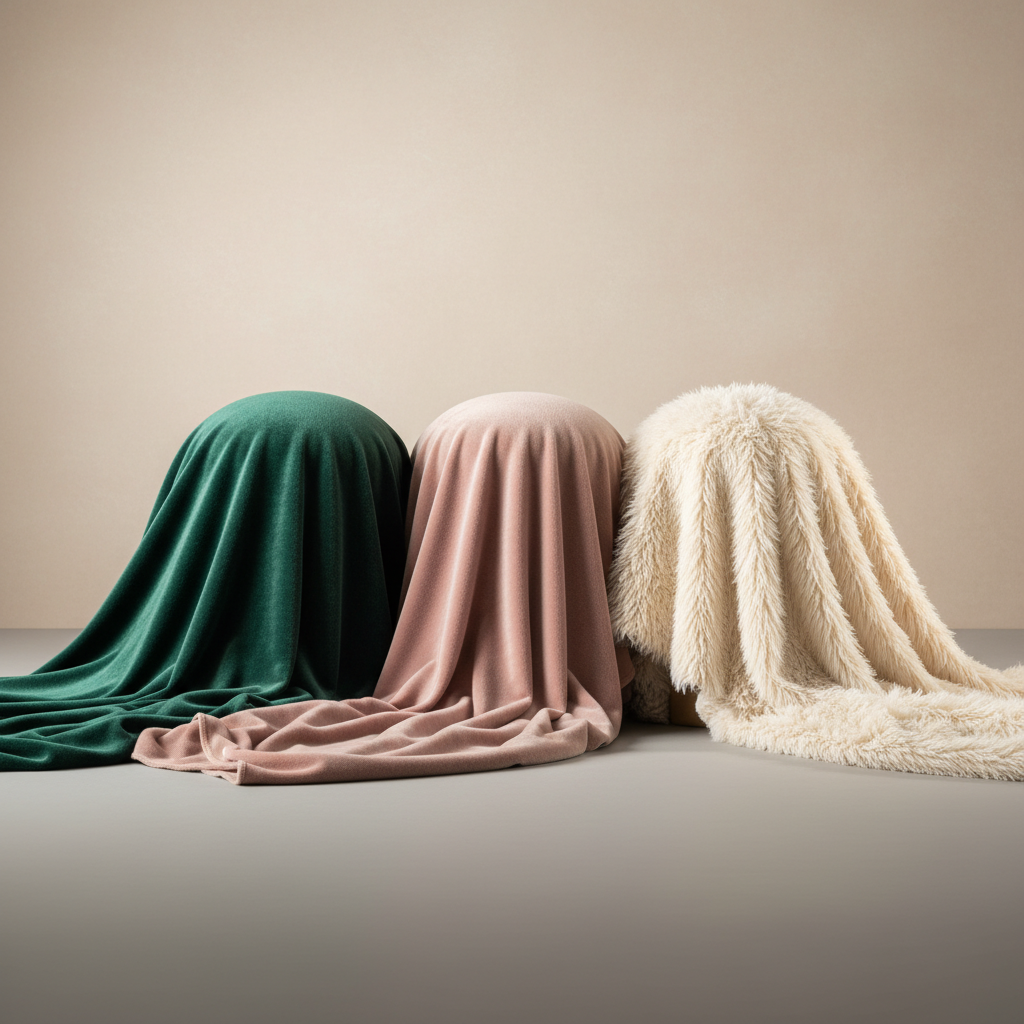


Plush fabrics today are far more than soft surfaces. In industry, cleaning technology, filtration applications, and toys, precision, material quality, and technical performance are what matter. POPP Velourstex develops plush fabrics from natural and synthetic fibers—customized, durable, and Made in Germany.
Plush fabrics: technical performance for industry, cleaning & premium applications
Plush fabrics are often associated with toys or fashion—yet today they rank among the most versatile technical textiles. In mechanical engineering, cleaning equipment, filtration, cosmetics, and the automotive industry, plush fabrics take on tasks where conventional fabrics reach their limits: gentle cleaning, filtering, conveying, polishing, or damping.
POPP Velourstex has specialized in the development of high-quality plush fabrics since 1976—using mohair, wool, organic cotton, polyamide, and polyester. As a German manufacturer, we combine textile craftsmanship with modern technology. The result: durable technical plush products that perform reliably in continuous industrial use.
1. What are plush fabrics?
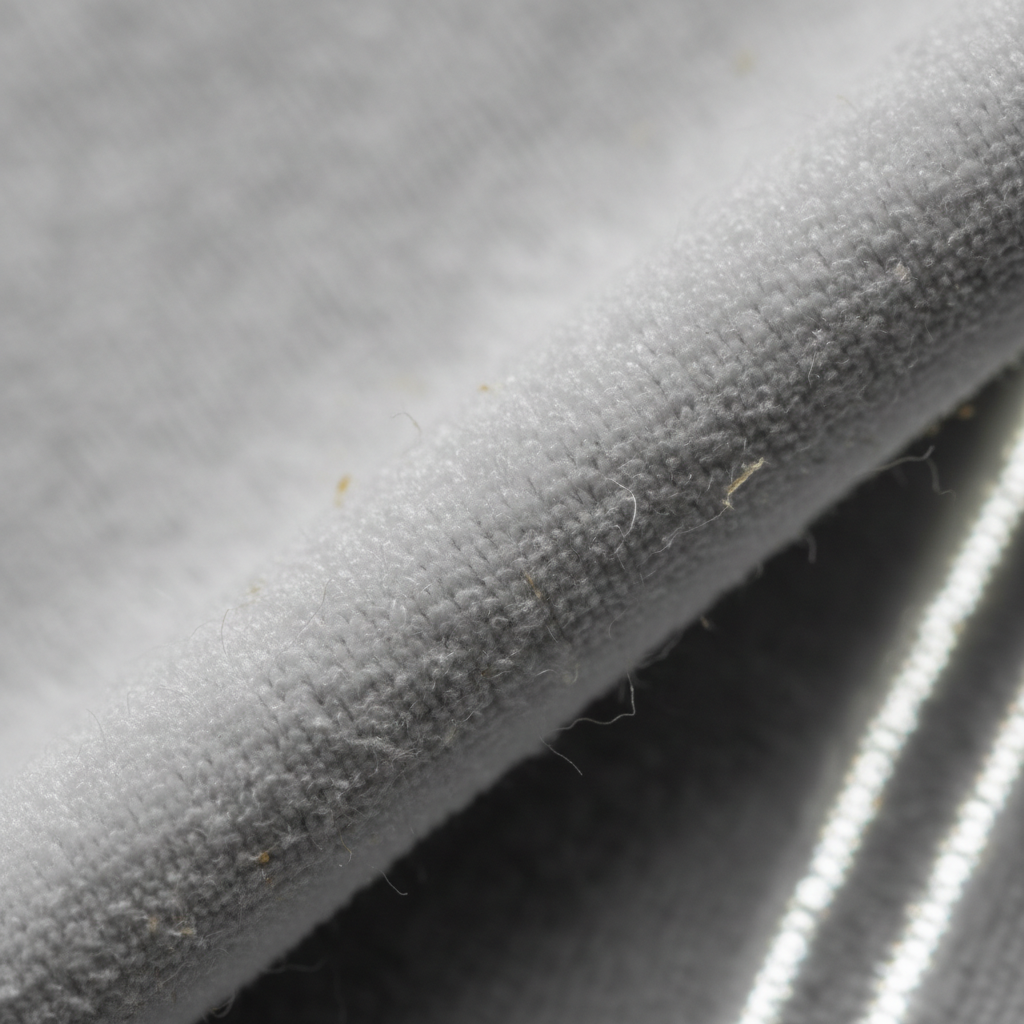
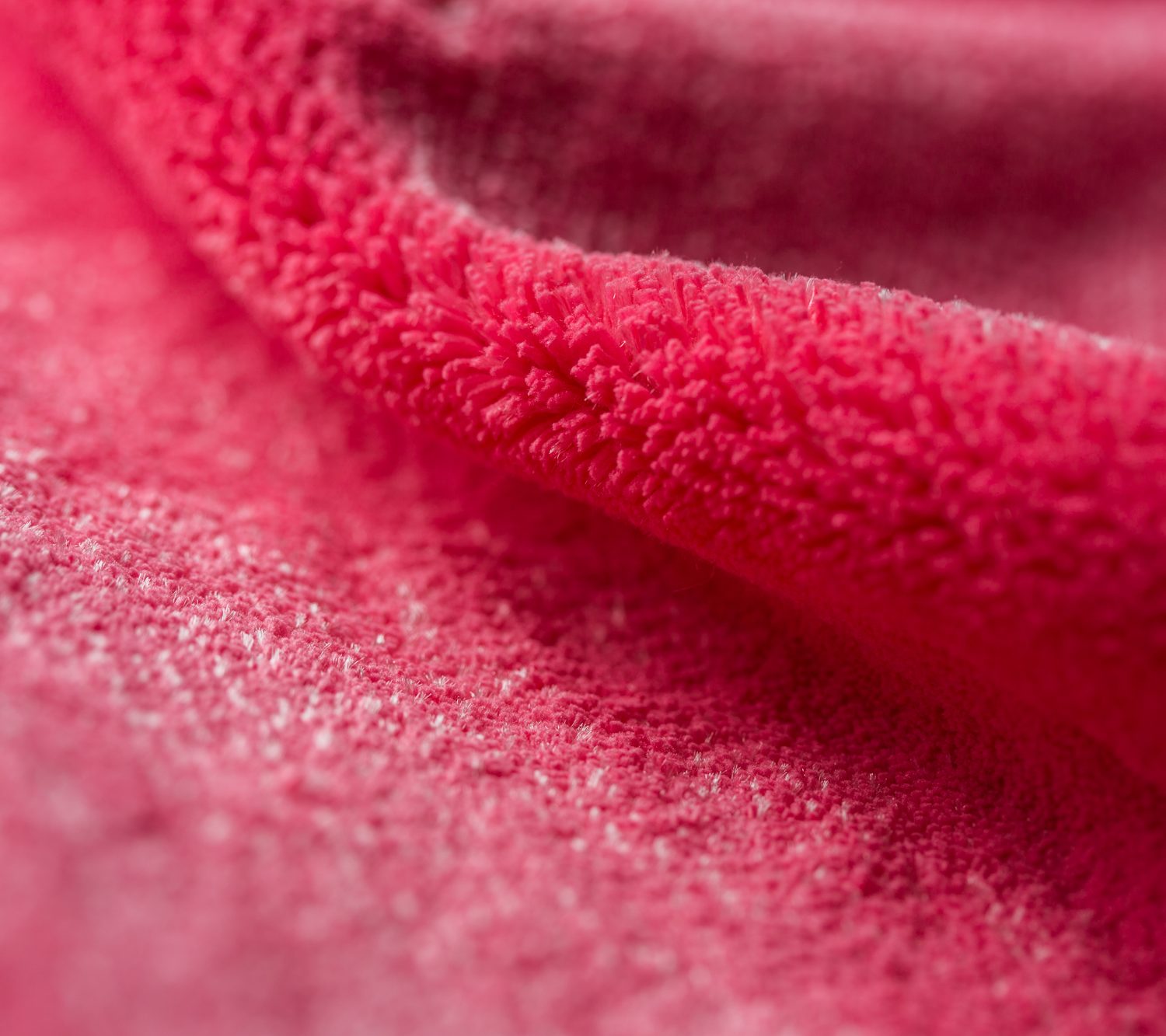
Plush fabrics belong to the family of pile fabrics. Their defining feature is a technically relevant pile height that—depending on the application—is engineered to be soft, dense, or highly abrasion-resistant. The pile can consist of natural or synthetic fibers:
– Natural plush: mohair, wool, organic cotton
- Synthetic plush: polyamide, polyester, microfiber variants
Plush fabrics offer functional properties:
- high absorbency
- good abrasion and tear resistance
- soft, gentle surface
- defined friction coefficient (grip/anti-slip)
- filtering and cleaning effect
- thermal and acoustic damping
This combination makes plush fabrics the ideal solution for technical applications where material contact, surface protection, or functional pile structures are critical.
2. Industrial applications of plush fabrics
Reinigungstechnik
Plush fabrics are used as wiping, polishing, or brush plush fabrics—for example in:
- car wash systems
- cleaning robots
- professional mopping systems
- vacuum cleaners & floor cleaners
What matters here are pile quality, uniform water absorption, and long service life. For this, POPP develops microfiber velours, wool plush, and synthetic cleaning plush with defined friction coefficients.
Filtration technology
In air and water filters, plush fabrics are used that require deep, three-dimensional pile structures.
POPP offers:
- 3D pile filter fabrics
- washable pre-filters
- synthetic filter plush fabrics
- specialty plush fabrics for high air permeability
The result: longer filter life, stable performance, and less maintenance.
Mechanical engineering & conveying (roller covers)
Plush fabrics protect surfaces, reduce abrasion, and provide defined glide characteristics.
Typical applications:
- conveyor belt coverings
- roller covers (wood, metal, packaging, glass)
- anti-slip coatings
- printing & laminating technology
POPP velour is engineered to prevent scratching while delivering high grip—a key factor for sensitive goods in conveying.
Automotive industry & polishing processes
For surface finishing in automotive, furniture, metal, or yacht building, plush fabrics are essential.
POPP produces:
- wool polishing plush fabrics
- abrasive synthetic plush fabrics
- pads for paint finishing and fine polishing
The advantage: uniform finish, durable structures, precise abrasive action.
Toys & baby products
GOTS-certified organic plush fabrics and mohair variants for:
- premium toys (teddy bears, artist plush)
- baby toys
- high-quality decor and design products
POPP supplies plush fabrics that are saliva-resistant, free from harmful substances, flame-retardant, and tested—ideal for quality brands.
3. Plush fabrics made from natural fibers: mohair, wool, organic cotton
Natural plush fabrics are sought after when sustainability, tactile feel, and thermal performance are critical.
Mohair plush
- extremely durable
- natural luster
- ideal for brushes, polishing pads & artist plush
Wool plush
- excellent polishing properties
- thermoregulating
- durable & robust
Organic cotton plush (GOTS)
- especially skin-friendly
- certified sustainable
- frequently used in toys & cosmetics
POPP processes natural fibers using modern weaving techniques—precisely, cleanly, and reproducibly.
4. Plush fabrics made from synthetics: polyamide & polyester
Synthetic plush fabrics stand out for:
- high abrasion resistance
- resilient fibers
- precise technical parameters
- exact pile geometry
Applications:
- cleaning pads
- roller covers
- filter fabrics
- mechanical engineering components
5. Why companies choose POPP Velourstex Made in Germany since 1976
Consistent quality, verified materials, fair production.
Custom-made solutions We develop plush fabrics exactly to customer specifications:
- pile height
- fiber type
- abrasion ratings
- air permeability
- color
- finishing processes
Natural fibers + high-tech
Unique expertise in mohair, wool, organic cotton—combined with technical synthetics. Maximum flexibility Small batches, prototypes, special solutions—fast and reliable. Sustainability & certifications GOTS, saliva-resistant, flame-retardant—certified safety for industry & consumers.
6. How B2B buyers should evaluate plush fabrics
The following factors are relevant when selecting:
- pile structure & density
- abrasion value
- elastic recovery
- fiber type
- wash and care properties
- technical parameters (filtration performance, coefficient of friction, air permeability)
POPP supports buyers and developers with sample kits, technical data sheets, comparative analyses, and material consulting.
Plush fabrics are indispensable for modern industrial processes, cleaning systems, and high-quality consumer goods. POPP Velourstex produces plush fabrics that meet technical requirements and withstand continuous use. With over 45 years of experience, we combine tradition, precision, and sustainable materials—individually engineered for industry, trade, and brand manufacturers.